

What is a goodwill letter? + template
August 01, 2025

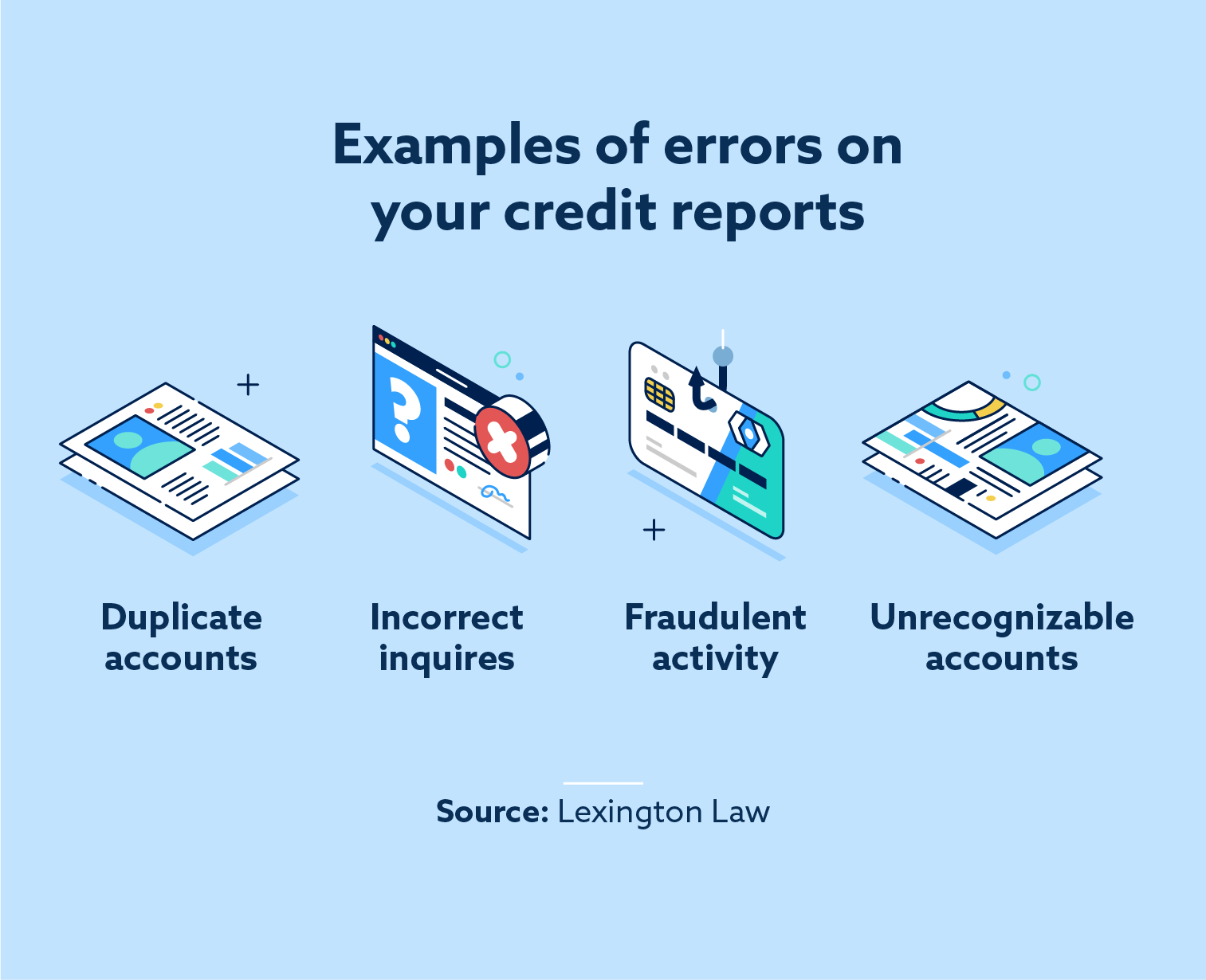
There’s nothing more frustrating than inaccurate, unfair or outdated information bringing down your credit score. It’s not an uncommon issue—the FTC found that one in five people has an error on at least one of their three credit reports.
It should come as no surprise that reviewing your credit and taking steps to clean it is important, especially if you have bad credit. Negative marks can drag down your credit score for years and keep you from major life milestones, like buying a car or house.
The main way to start the credit repair process is to challenge any inaccurate or unfair information in your reports. Not all negative information in your reports is wrong (unfortunately), but as we mentioned earlier, it’s not uncommon for consumers to find questionable, negative items on their credit reports.
Tip: A good way to start the credit repair process is to challenge any inaccurate or unfair information in your reports.
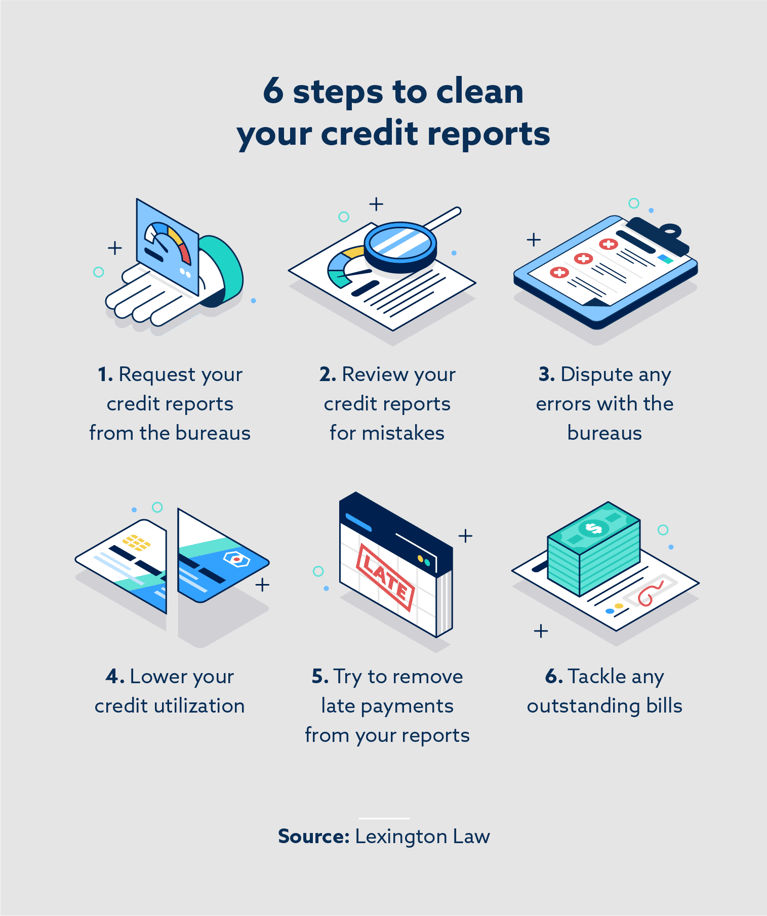
The Fair Credit Reporting Act (FCRA) gives you the right to an annual free credit report from each of the three major credit bureaus: Equifax, TransUnion and Experian. It’s important to monitor reports from all three since information is not always shared with all of the credit reporting agencies.
Tip: You can request your credit reports from all three major credit bureaus by visiting AnnualCreditReport.com.
If you do find inaccurate information, you can dispute it with the credit bureaus and request to have it removed from your credit reports.
You have the right to dispute any negative listings on your credit reports that you feel may be inaccurate, untimely, misleading, biased, incomplete or unsubstantiated.
Here’s where to submit a dispute with the three credit reporting agencies:
Your credit utilization is your total credit balance compared to the amount of credit available to you. Ideally, you want to keep your credit utilization below 30 percent. If you have high credit utilization, consider bringing your credit card balances down and limiting your spending.
Although there is no guaranteed way to remove accurately reported late payments from your credit report, you may be able to request that your creditor remove it from your report.
If you’re in good standing with your creditor, you can request that they remove the late payment with a goodwill letter. A goodwill letter is a written request to your creditor to remove the late payment from your credit report that involves pointing out your history of on-time payments and explaining why the specific late payment in question happened. Keep in mind that your creditor is not obligated to respond to your letter, but they might if you have a consistent record of making on-time payments.
Alternatively, you could try to remove a late payment with a pay for delete letter. A pay for delete letter is used to negotiate with your creditor by offering to pay the full amount of the outstanding debt in exchange for the removal of the late payment.
Aim to pay any outstanding loans or credit cards as soon as possible. Payment history accounts for 35 percent of your FICO® score.
Here are some ways to catch up on delinquent accounts:
Bankruptcy is also an option to consider depending on your situation, but you should first consult with an attorney to understand how this works and how it will impact you.
Cleaning your credit reports can be quite daunting if you’re unfamiliar with the process. Below we’ve answered some common questions to help you get started.
There are many benefits to having a clean credit report. Good credit increases your odds of getting approved for new credit and lower interest rates. It can also help you secure an apartment or employment. Consumers with good credit also usually pay lower insurance premiums.
The amount of time it takes to clean your credit report will largely depend on the number of negative items you’ve incurred and the errors you find. Depending on your credit history, you could clean up your credit report in as little as a few months, or it may take years.
If there are errors on your credit report, you can choose to begin the disputing process, which can take up to 45 days. Meanwhile, if the negative items on your credit report are accurate, you may just have to wait it out. Most negative items fall off your credit report after seven to 10 years.
If you’re looking for help and guidance, you can hire a credit repair company to help you dispute errors.
According to the Consumer Financial Protection Bureau, you should check your credit report at least once a year to ensure the information is accurate and that there are no errors present.
Additionally, it is recommended to check your credit report before a big purchase, such as a house or a car, and before applying for a job. Checking your credit report regularly can also make you aware if you’ve been a victim of identity theft.
Unfortunately, there’s no way to quickly clean your credit reports. Under federal law, the credit bureaus have 30 – 45 days to conduct their investigations when you dispute information. If the credit bureaus can verify the information on your credit reports, it can remain for up to seven to 10 years.
Paying down credit card balances is a great way to improve your credit profile, but even then, you may not see the updates immediately. Many creditors only send information once a month—sometimes even less frequently.
Remember that cleaning your credit takes time, but in the end, it’s worth it. Consider working with a credit repair law firm like Lexington Law Firm if you want assistance with the process.

-2.jpg?width=339&height=588&name=credit-disputes-hero%20(3)-2.jpg)