
How many credit cards should I have?
October 13, 2025

The information provided on this website does not, and is not intended to, act as legal, financial or credit advice. See Lexington Law’s editorial disclosure for more information.
If you’re struggling to improve your credit, figuring out your next steps can feel like trying to solve a puzzle. Fortunately, the factors that result in good credit are public knowledge, so with the right information and habits, you could be on your way to better credit.
Your credit score is one of the most crucial indicators of your financial health. And a high credit score can help you out during key moments of your life—like qualifying for an auto loan, trying to secure a low interest rate on your credit card or getting approved for a mortgage. The better your credit, the more likely you are to be approved for loans and credit cards—plus the more likely you are to secure lower interest rates on both, saving you money over time.
Regardless of how easy some of these steps are to implement, it’s important to remember that improving your credit won’t happen overnight—but it can absolutely be done with some patience and persistence.
If you start addressing your credit health and take action on the areas hurting your credit, you’ll be able to see improvement over time. Read on to learn ten ways you can improve your credit and secure greater financial freedom down the line.
You may receive either a FICO score or a VantageScore, which are the two main credit scoring models used by lenders and other financial institutions. In either case, you’ll have a better idea of where your current credit score falls—either in the good credit range or the “needs improvement” range.
You’ll also want to get a copy of your credit reports, which are maintained by the three main credit bureaus (Equifax, Experian and TransUnion). Your credit score won’t show up on your report, but your score is based on the information found there, so it’s important to be familiar with it. Each report may have slightly different information, but they should all generally have information about your credit card and loan accounts, payment history and other data about your credit usage.
You can get one free credit report a year from each of the credit bureaus through the official Annual Credit Report website. After reviewing your report, you’re ready to get a better understanding of how your score is calculated and what steps you can take to improve it.
Bottom line: Being familiar with your current score and report is the first step to improving it.
To make meaningful progress improving your score, it’s crucial that you understand how it’s calculated in the first place. The five factors that impact your credit score are your payment history, your credit utilization, the length of your credit history, any inquiries for new credit accounts and the types of credit you use.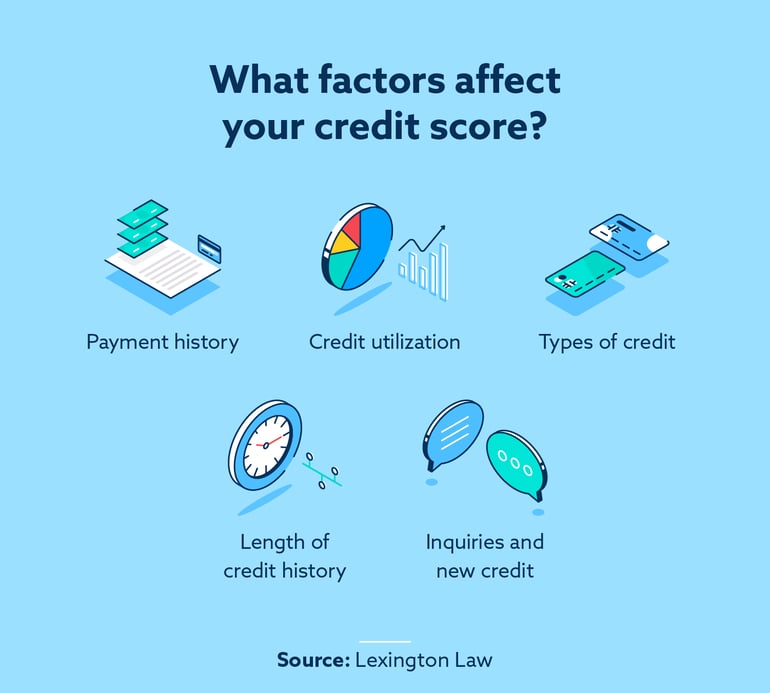
Together, these five factors are used to calculate your credit score, but they aren’t of equal value. Additionally, the FICO scoring model and the VantageScore model weigh these items somewhat differently. Here are the five factors listed in order from greatest to least impact on your score, along with how much they’re worth according to the FICO scoring model:
Knowing these factors can help you decide how to prioritize your efforts to increase your score. For example, if you’re struggling with your payment history, it probably wouldn’t be wise to open a new account just to improve your credit mix.
Keep reading to learn how to apply your understanding of scoring factors to build up your own score.
Bottom line: When you understand how your score is calculated, you can make better choices about your credit usage.
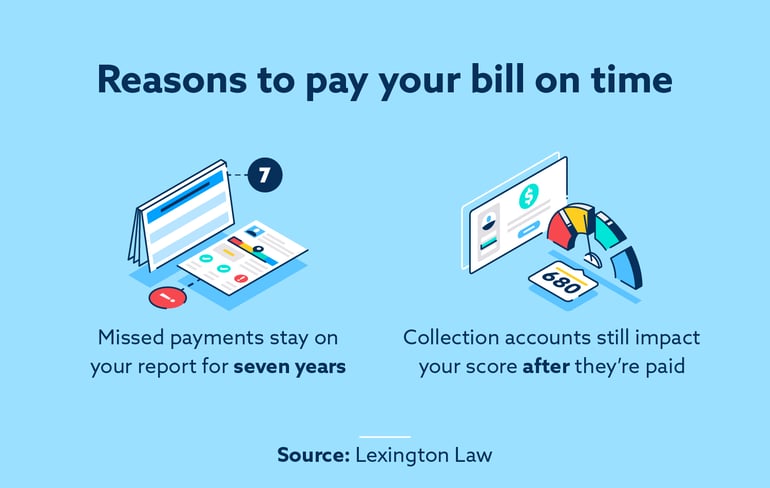
Since payment history is the most significant scoring factor, it makes sense to prioritize on-time payments when you’re looking to get a better score. Lenders want to see a pattern of consistent payments, because this means that you’ll likely pay back your debts if they extend new credit to you. On the other hand, even a single late payment can have a negative effect on your score.
Here are some things to keep in mind when you’re forming a plan to make on-time payments:
Once you’ve committed to making on-time payments every month, take some time to figure out the best strategy for you. Some people prefer to use autopay to ensure that payments are made on time, while others make it a habit to review all of their credit accounts once a week to stay on top of new statements or bills. Many credit card and loan companies also offer complimentary payment reminders by email or text message to help you manage payments among multiple accounts.
Regardless of how you handle making on-time payments, starting the habit now will likely lead to a better credit score down the road. Previous late payments will have a smaller and smaller effect on your credit score as time passes, so starting a streak of on-time payments right away is often the best move you can make for your credit score.
Bottom line: Payment history is the most significant factor in your credit score, so find a way to make on-time payments for your credit cards and loans every month.
The second most important factor in your score is credit utilization, which is simply the amount of credit you’re currently using compared to the total credit you have available. In general, having a credit utilization ratio below 30 percent is optimal for maintaining a high credit score. But what does that mean?
Essentially, you’ll want to add up the balances of all of your credit cards, then add up the credit limits across all of your cards. After dividing your total balances by your total limit and multiplying by 100, you’ll know how much of your total available credit you’re currently using.
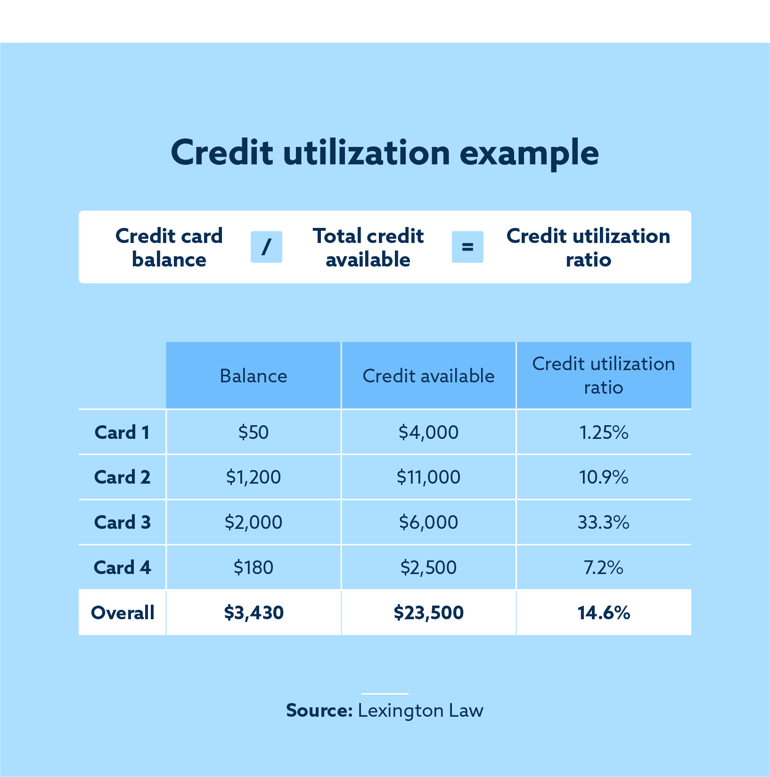
Keeping a lower credit utilization lets lenders know that you’re able to manage your finances without leaning too heavily on your credit cards. As a result, keeping your utilization down will likely raise your score and make it easier to get new credit in the future.
Note that your end-of-statement balances are determined by when your credit card provider chooses to report to the credit bureaus. Some people choose to make small payments on their credit card bills throughout the month, and others make sure to pay their full balance before the statement is generated. In either case, if you time it right, you may be able to have a lower balance reported to the credit bureaus, which will also decrease your utilization.
Bottom line: Credit utilization is a significant scoring factor, so try to keep your credit usage well below your actual limit in order to raise your credit score.
While it may seem counterintuitive, keeping old credit cards that you're no longer using open could help both your credit history and your utilization.
Here’s how:
Overall, keeping older credit cards around helps you maintain your credit score, but there are reasons you may want to close an account. For example, if an unused card has an annual fee, you could consider closing it. If you do that, however, first see if the credit card provider will waive the annual fee or transfer your credit limit to another card without a fee.
If you want to keep your old credit cards open, you’ll need to make occasional transactions on each card or they may be closed.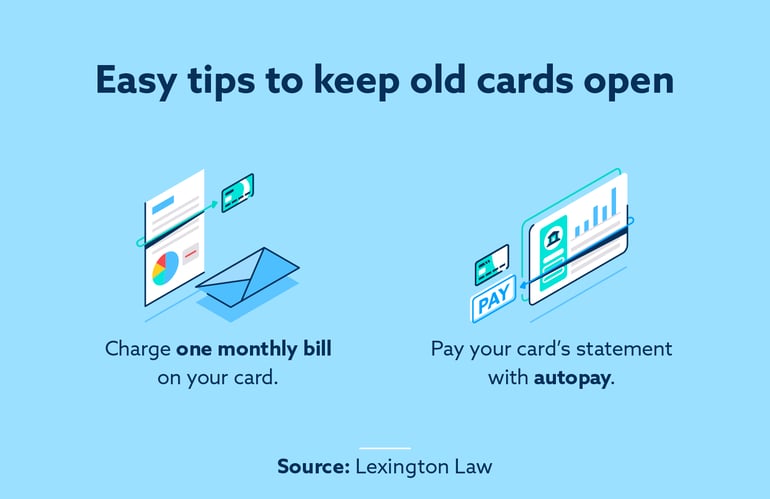
Many people choose to put small recurring transactions, like a streaming service subscription, on older credit cards. If you do this, consider setting your card’s statement to autopay so that you don’t accidentally miss a payment.
Bottom line: Older, unused credit cards can still improve your score by increasing the length of your credit history or helping to keep your credit utilization low. Keep your old cards open unless you have a compelling reason to close them, like an unavoidable annual fee.
Another factor in your credit score is new credit, which represents how often you’re applying for and opening new accounts, like loans or credit cards. Most people need new credit every now and then, but opening too many new accounts in a short period of time can decrease your score.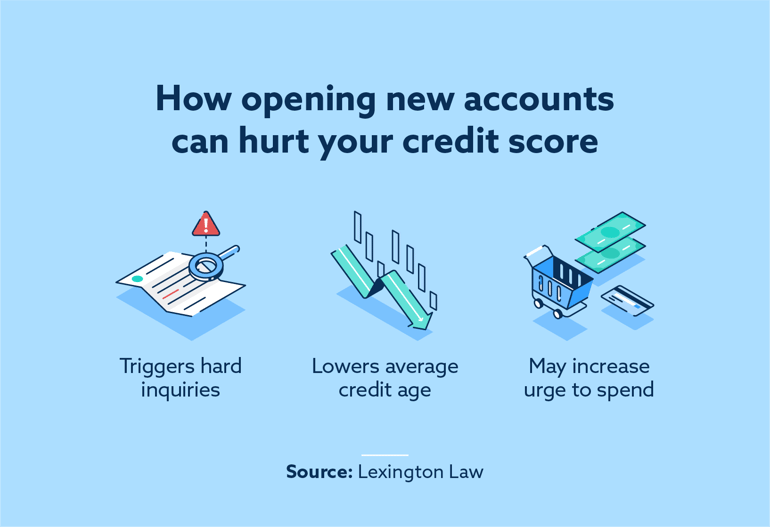
Here’s how opening new accounts can hurt your credit score:
Opening new credit accounts is occasionally required—like when you’re obtaining a mortgage or getting an auto loan. That said, new accounts can lead to a temporary dip in your score, so you’ll want to be mindful to only apply for accounts that you need. That way you’ll be able to build up healthy credit that will be there when you need it.
Bottom line: New credit can temporarily reduce your score through hard inquiries or by lowering your average account age, so only get new cards or loans when you need them.
If you currently have a low credit score, it can feel difficult to break the cycle of bad credit and increase your score. However, there are excellent options for people with no credit or a poor credit history to start making progress toward a higher score. Consider getting a secured credit card, opening a credit builder loan or becoming an authorized user on a credit card to improve your score.
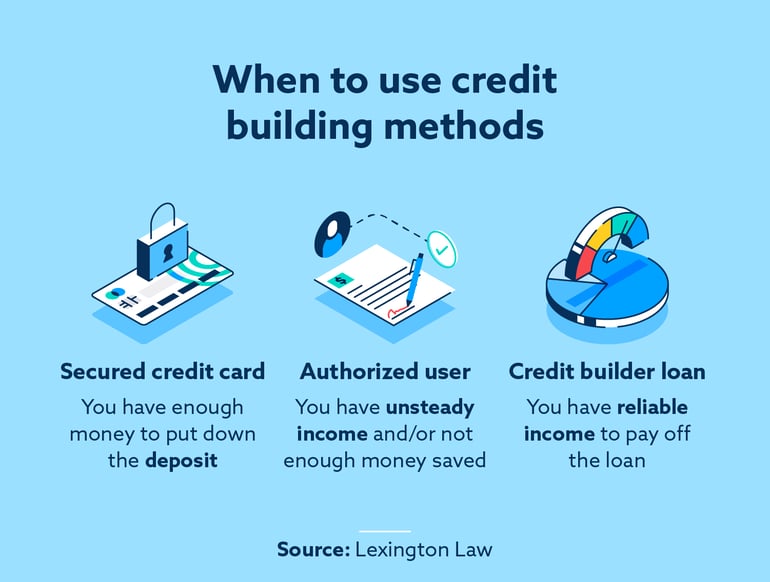
Here’s a bit more information about each of these methods of building or rebuilding your credit.
Having low credit can feel overwhelming, but the financial tools listed above can help anyone rebuild their credit and get back on the path toward a high credit score.
Bottom line: Even if you currently have no credit history or poor credit, using secured credit cards or credit builder loans responsibly can help you build up a positive reputation with lenders.
As you know, negative items like late payments and collection accounts can continue to affect your score for many years. Even paying off an account in collections is unlikely to have an immediate effect on your credit score, since the account may continue to be listed on your credit report for up to seven years.
However, some creditors will negotiate if you send a pay for delete letter. With this letter, you agree to pay the full amount of your debt in exchange for having the negative item removed from your credit report.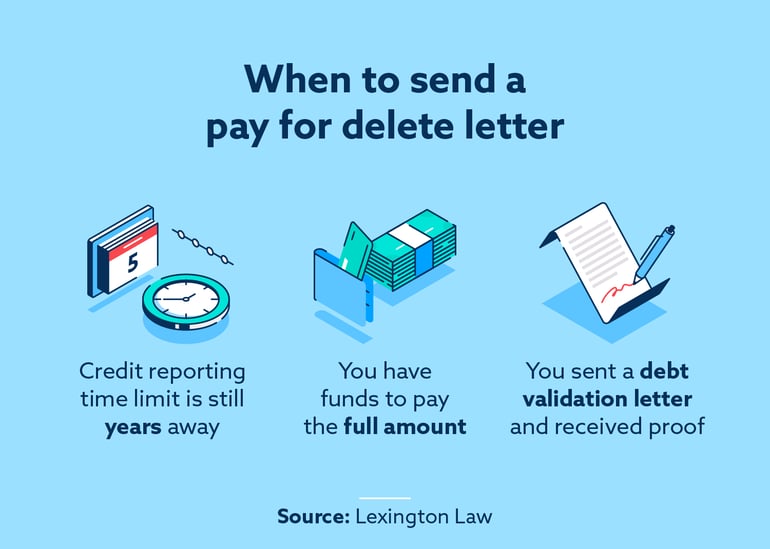
If the creditor agrees to the terms of the pay for delete letter in writing, you may be able to pay off the balance of your debt and have a negative item removed for your report, likely leading to a score increase. Keep in mind that not all creditors accept this type of arrangement, so it’s not a guaranteed fix.
Bottom line: If you’re able to pay off the full balance of a debt in collections, considering sending a pay for delete letter first to see if you can have the negative item removed from your report.
Typically, only things like loans and credit cards impact your credit score. Today, there are new ways to factor things like rent and utility payments into your credit. If you know you make these types of payments on time, it’s a great way to raise your credit score.
Bottom line: If you have a strong payment history with your utility company or cell phone provider, an alternative credit data program could potentially raise your score by having these accounts included in your credit report, depending on which scoring model is used.
Your credit report is the ultimate authority for lenders looking for insight into your accounts, balances and payment history. That said, credit reports can contain inaccurate information, and those errors could lower your score for no good reason. Fortunately, there’s a process in place for you to challenge any mistakes on your credit report, potentially leading to improved credit.
Once you’ve obtained a credit report from all three bureaus, you’ll want to look closely at your accounts and balances to make sure they match your own records. Note that balances may not always be current since they’re reported to the credit bureaus on a set schedule. However, if you don’t recognize an account, it’s worth looking into.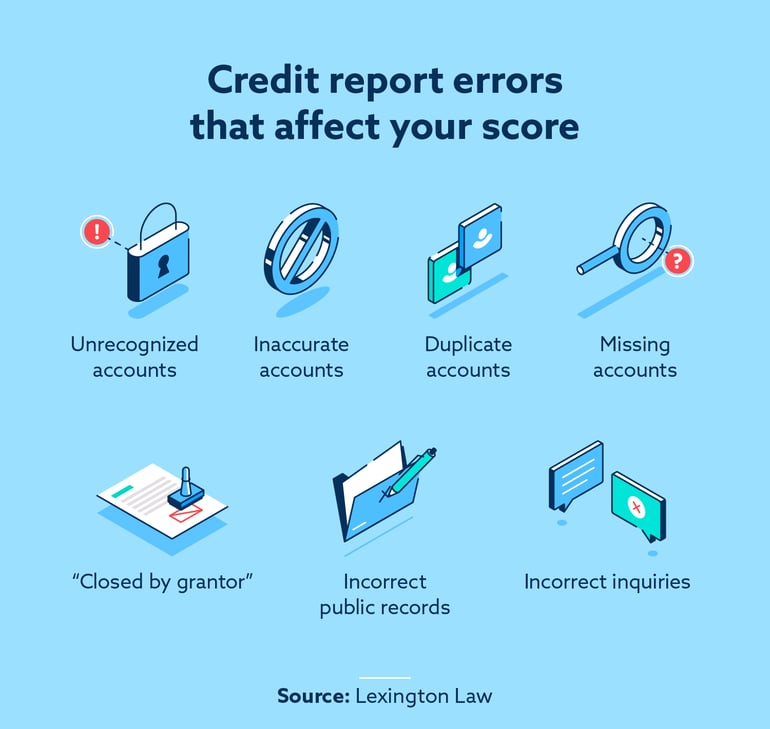
Here are some errors to look out for on your credit report:
Any of these errors could be affecting your score, and all of them could be challenged if you were to provide evidence to the credit bureaus showing that the information is inaccurate.
The dispute process involves reaching out to each credit bureau online or by mail. For more details about the process, read our in-depth guide covering how to dispute an item on your credit report.
If you want the support of a trained team to file a dispute with the credit bureaus, consider reaching out to Lexington Law Firm, which could assist you with addressing inaccurate negative items on your credit report.
Bottom line: Don’t let any inaccurate information linger on your credit report and potentially lower your score. Use the dispute process with each credit bureau, which may lead to the negative item being removed, likely improving your credit score.
These are the most common questions consumers ask about how to improve a credit score.
The Credit Repair Organizations Act (CROA) prohibits credit repair companies from promising to raise your credit score within a specific time period. In general, however, your score updates with the three credit bureaus (Equifax, TransUnion and Experian) every 30–45 days. You should see the impact of positive actions you take each month after the next month has passed. In other words, paying down your credit card balance in June should typically appear on your credit reports by the end of July.
If you’re waiting for negative items to fall off your credit report so your score goes up, it could take seven to 10 years depending on the item in question. However, as negative information gets older, it has less impact on your credit. TIME provides these estimates of credit score recovery time after various events for people who have an average credit score:
In general, the lower your credit, the faster it will increase as you make positive financial changes. If you’re trying to go from an above-average score to an excellent score, however, it could take longer to see results.
How can I raise my credit in 30 days?
No one can legally guarantee your credit will increase in 30 days. That being said, you can take some actions to improve your chances of seeing a better score sooner rather than later. Try these smart strategies:
If an account goes into collections, it will still appear on your credit report as a negative mark for seven years, even if you repay the full amount. For that reason, making payments on an account in collections won’t typically increase your FICO score.
However, you may still want to pay off the balance so that:
Actually, paying off a loan may temporarily lower your credit. That occurs because you close the account in question or the lender closes it on your behalf. The account closure could have a negative impact on your credit if:
Usually, your score will go down temporarily after paying off a loan. You’ll likely see a quick rebound if you make on-time payments, keep your credit utilization low and avoid negative marks.
Paying off a loan will lower your debt-to-income ratio, which improves your chances of approval for a home loan and other types of debt. You can also save money on interest over the life of the loan. Make sure your lender doesn’t have a prepayment penalty before repaying a loan early.
Getting approval for a new credit card can improve your credit over time, as long as you don’t max it out. You’ve increased your credit limit, which automatically helps your credit utilization ratio. If you’re getting your first credit card, you’re also establishing a new type of account, which increases the diversity of your credit profile.
However, two factors could hurt your credit when you get a new credit card. These are:
If your score does drop after getting a new credit card, you’ll usually only see a decrease of a few points, and it can rebound in a few months if you use credit wisely.
While there’s no quick fix to improve your credit, implementing the steps above and working toward establishing small, consistent habits will make the biggest impact in the long term. Mastering your credit and improving your score will secure you more fina