
How many credit cards should I have?
October 13, 2025

The information provided on this website does not, and is not intended to, act as legal, financial or credit advice. See Lexington Law’s editorial disclosure for more information.
In this post, we debunk the most common myths about credit. You’ll learn what's a myth and what's not, as well as real methods for potentially boosting your credit.Depending on several factors—like the scoring model used and the type of credit you’re applying for—you could actually have many credit scores. In fact, the credit score that you check might differ from the one that a lender checks.
FICO® has several ways to calculate credit scores, with FICO® Score 8 being the most common method.
The type of scoring model used depends on the type of credit you’re applying for (i.e., a credit card vs. an auto loan). You won’t know exactly which scoring model will be used, and there are hundreds of variations that could affect your score.
In general, your credit scores—however they’re calculated—will be relatively close to each other. They may differ somewhat, but usually not by more than 50 points (unless there’s an error on one of your reports). To ensure your credit score is as high as possible, keep your credit report free of errors and negative marks.
Some employers—such as the government or financial institutions—check credit reports upon hire, but they can’t check credit scores. According to the rights afforded to you by the FCRA (which we mentioned above), you have to willingly sign a waiver to permit your employer to check your credit report.
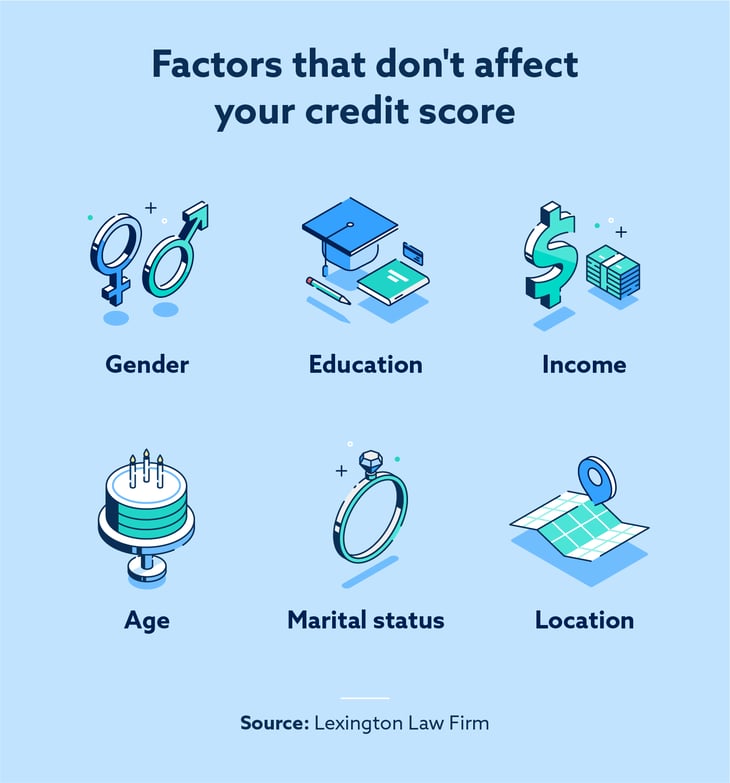
There’s no such thing as a joint credit report. Your credit history is attached individually to your identity. Even if you file joint taxes with your spouse or have joint credit cards, the information is reported separately on each of your own credit reports.
If you open a loan or credit card with a spouse, make sure payments are made on time, as the information will likely be reported on both your credit histories.
It’s true that filing for divorce itself doesn’t impact your credit score. However, late and missed payments that happen as a result can negatively affect your score. In many cases, any debt you’ve acquired during the marriage is the responsibility of both partners.
You should double-check with the laws in your state and consult with an attorney when going through this process. Even if your spouse takes ownership of a joint account, be aware if your name is still on it. If it is, your credit score might still be affected by any late or missed payments.
You don’t need to go into debt to build a good credit score.
You don’t need to go into debt to build a good credit score. Having a credit card and making payments can build your credit, but there are other ways, too. For instance, see if your utility company reports payments. Or, you can sign up for a rent reporting service.
Keep in mind that building credit takes time. If you’re just starting out, it may take a six months to a year or two of positive credit history before you see a positive impact.
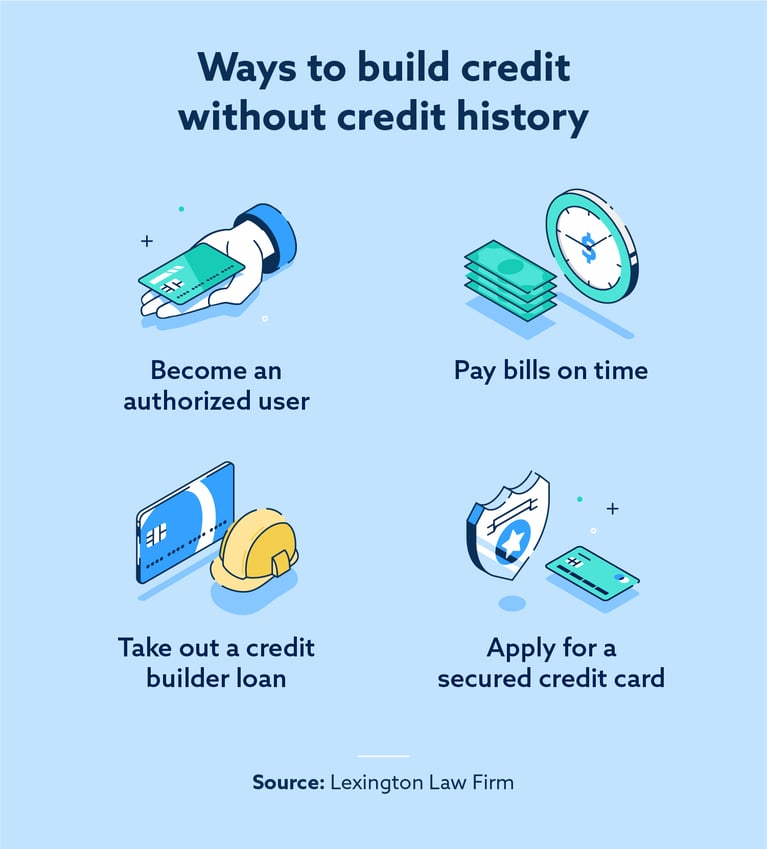
Making purchases with your debit card or a prepaid credit card won't boost your credit.
Paying cash also doesn’t help build your credit. Because these transactions generally aren’t reported to the credit bureaus, there’s no way for lenders to know if you're paying responsibly.
Unfortunately, paying off an overdue debt or collection account doesn’t remove it from your credit report or lower the impact of the negative item.
Most negative items can stay on your report for up to seven years. The good news is that the impact of a negative item does lessen over time, especially if you’ve logged positive credit history since then.
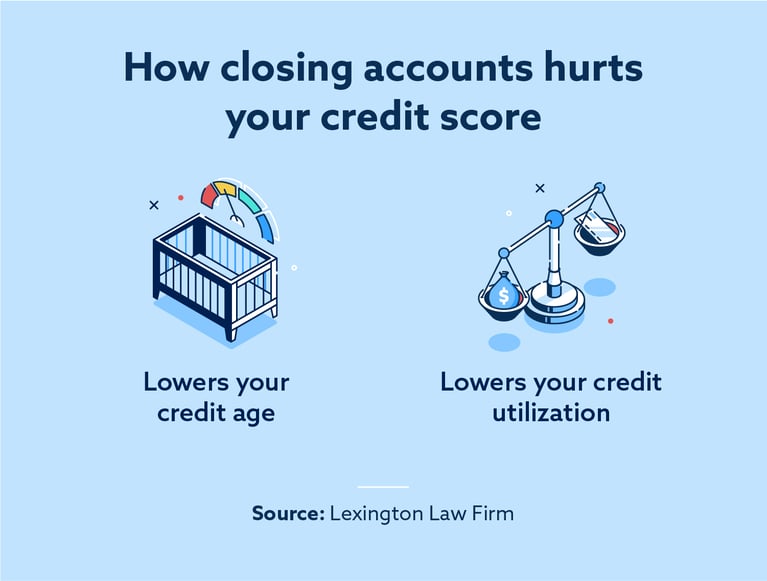
Closing an account you don’t use (like a student credit card after graduating) doesn’t boost your credit score. In fact, it often lowers it.
Lenders look at the age of your credit, and closing an account lessens the average age of the accounts you have open.
Plus, closing an account may also increase your credit utilization—another factor that impacts your credit score. Your credit utilization rate is how much credit you’re using, compared to how much credit you have. Closing an account with a credit limit of $5,000, for example, lowers the amount of your total available credit and increases your credit utilization. A high credit utilization rate can negatively impact your credit.
While filing for bankruptcy can help if you’re in a severe situation, it should be your absolute last resort.
Having bankruptcy in your credit history is a huge negative mark that can stay on your credit report for up to seven years or a decade, depending on the type of bankruptcy. If you’re in dire need of debt relief, consult a financial advisor or lawyer before choosing bankruptcy.
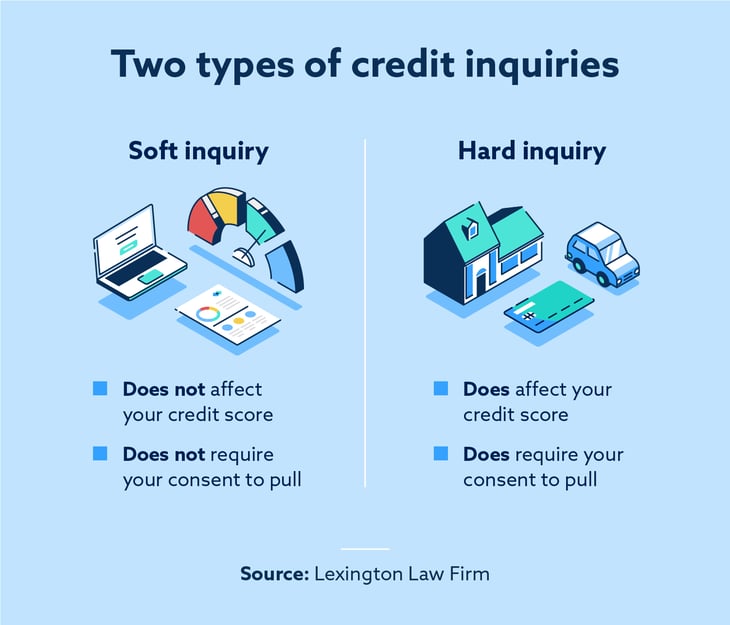
Unfortunately, as we mentioned earlier, applying for new credit can impact your credit. It’s known as a hard inquiry when a potential lender, employer or landlord checks your report to assess your creditworthiness. Hard inquiries aren’t bad—in fact, they’re often necessary. That being said, having too many happen close together signals to lenders that you might be an irresponsible borrower, and your score could be impacted.
If you want to rate shop for a specific type of loan, such as an auto loan, try to submit your credit applications within a small window of time, such as 14 days. This way, the applications will be grouped together, and only one hard inquiry will show up on your report.
Paying off your credit card balance each billing period can improve your score, because it shows lenders that you’re a responsible borrower.
It’s one of the best ways to boost your creditworthiness because it can significantly lower your credit utilization rate. In addition, your credit card issuer may increase your credit limit if you make payments on time and in full, which could also lower your credit utilization and boost your credit score.
The size of your debt doesn’t impact your score, and your debt-to-income ratio doesn’t directly affect your credit either. For that matter, not having any debt doesn’t necessarily mean you have a good score. For example, you could have no debt because you have no credit history.
Not all debts are the same. A 30-year mortgage, for example, is a long-term investment. On the other hand, a credit card bill is meant to be paid off sooner. The size of your debt and its impact on your credit are relative to your situation.
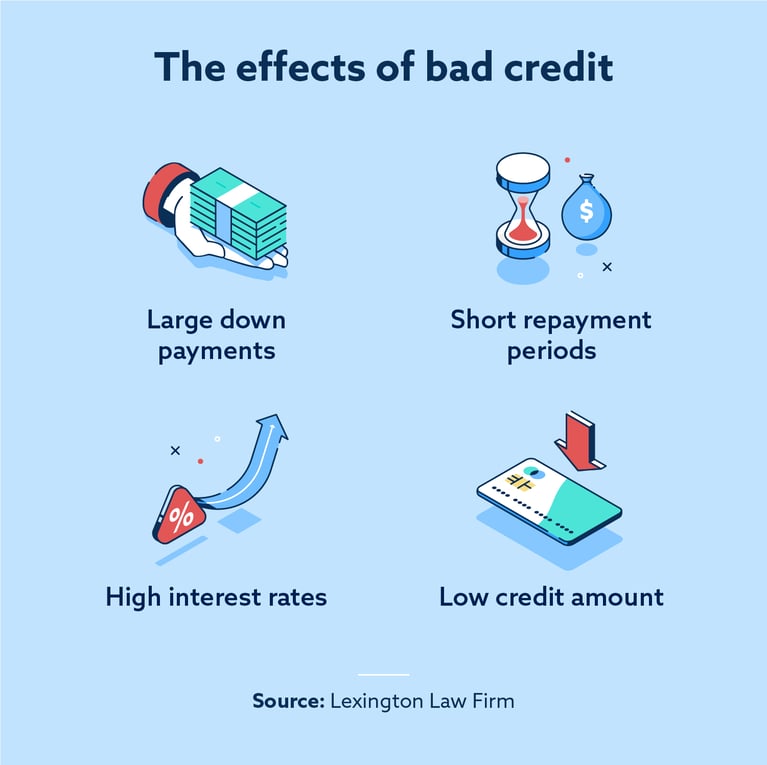
You can still be approved by a lender even if you have a low score, but it’s likely you’ll be subject to larger down payments, shorter repayment periods and higher interest rates.
In general, the terms and conditions for someone with a lower credit score are worse than those of someone with better credit.
This is one of the most dangerous credit myths out there, as credit scores can take a big hit quickly. Things like missing a payment or having your account go to collections can drastically drop your score.
In general, different types of negative marks carry different levels of weight in regard to your score. You should also keep in mind that higher credit scores are usually more affected by negative items than lower scores.
The good news is that your credit can improve over time.
One possible way to work on your credit profile is to dispute inaccuracies. Many times there are errors on your report that harm you, and you might not even know they're there. You can work to drop these by making a dispute.
Thanks to the FCRA, you have the right to dispute errors found in your reports. When you dispute errors, the bureaus must investigate and respond within 30 to 45 days.
You have the legal right to dispute inaccurate and unfair information on your credit reports.
Now that you know what can actually hurt or improve your credit score, you can take a more proactive approach to how you manage your credit.
Start by taking a look at your credit report—you can get a free one here—and see if you find any errors, inaccuracies, things that shouldn’t be there or any fraudulent activity.
If you need additional professional help, you can get in contact with a credit repair service. A credit repair organization knows what to look for and how to help you work toward your credit goals. Sign up for a free credit repair assessment with Lexington Law Firm today.