
How many credit cards should I have?
October 13, 2025


The information provided on this website does not, and is not intended to, act as legal, financial or credit advice. See Lexington Law’s editorial disclosure for more information.
If you plan on applying for a mortgage, building your credit to buy a house is an essential step toward loan approval and a lower interest rate.
Purchasing a home is huge milestone for most people—but it’s also a considerable investment requiring extensive planning, research and credit. For those that have yet to start building their credit to buy a house, being approved for a mortgage can be next to impossible.
A good credit history helps lenders decide whether to trust that you’ll make your loan payments on time. Your credit score reflects your credit history—the higher the score, the lower your loan interest rate will likely be. If you need a head start improving your credit to make your homeowner dreams a reality, here are a few tried and true methods to consider.
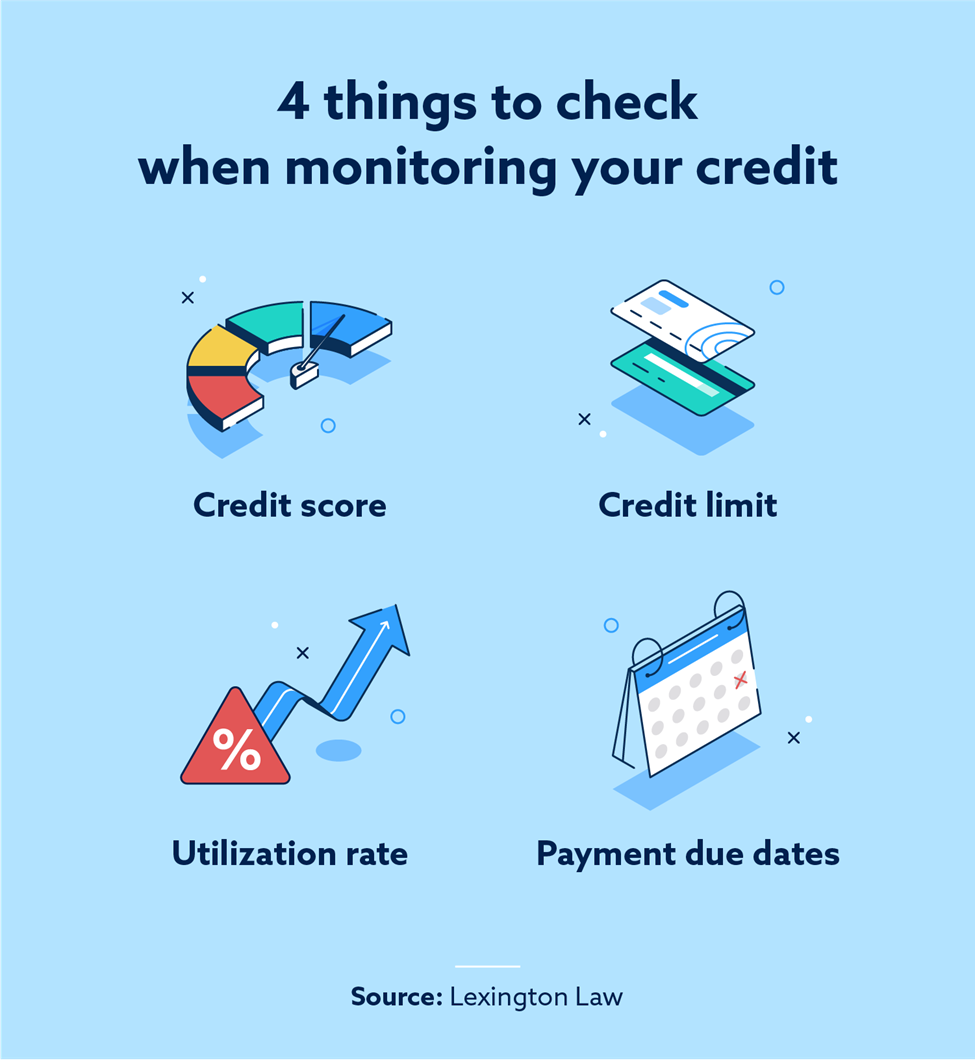
Credit monitoring allows you to stay on top of changes to your credit so you can track your progress, identify potential errors and address any suspicious activity. The last thing you want is a hacker stealing your identity and opening fraudulent accounts in your name.
If you just started your credit journey, it typically takes six months to generate your first credit report and credit score. You may be able to track changes to your credit score using your mobile banking app or our credit snapshot service, which provides a free credit report summary, credit score and personalized repair recommendations.
Credit building requires due diligence—don’t just track your credit score, but also learn the ins and outs of how credit works so you can stay on top of things. For example, you want to understand the following concepts:
Check your accounts daily to grasp your spending habits and identify areas that may need improvement.
A 2021 study found that one out of three volunteers had at least one error on one of their credit reports, so it’s important for you to regularly review your credit report. Once a year, consumers can receive a free credit report from each of the three major bureaus.
Not all lenders and creditors report to all three credit bureaus, so the information on your reports may vary from bureau to bureau. This means that your score may also vary across bureaus, as your score is based on the information in your report.
One thing to keep an eye out for are errors that could be bringing your score down, such as:
Addressing errors on your credit report is a must if you’re serious about improving your credit. If you discover any mistakes on your credit report, follow these steps to dispute your credit report:
Once the credit bureau receives your dispute, they have 30 – 45 days to investigate it. If they deem the request “irrelevant,” they’ll have to contact you to explain why they stopped investigating. If the bureau acknowledges they made a mistake, they must:
It’s easy to fall into the “out of sight, out of mind” habit when managing your credit payments, and a utility bill or car payment can occasionally slip through the cracks.
Your credit payment history makes up the greatest percentage of your FICO credit score (35 percent), so delinquent accounts—payments reported to one or more credit bureaus as 30+ days late—should be paid off as soon as you notice them.
Delinquent accounts reported on your credit indicate to lenders that you’ve broken the terms of your contract to pay the money back—it’s not a good look if you want to apply for a mortgage. Even a payment that’s only 30 days late can show up on your report for up to seven years.
If you’re serious about building your credit to buy a house, monitor your credit report and accounts regularly to spot and pay off delinquencies before they’re reported. You may be hit with a late fee, but late payments likely won’t be reported as delinquent if they’re less than 30 days overdue.
Securing a credit card and using it responsibly is a quick and effective way to start building your credit. However, not all credit cards are created equal. Some types of credit cards, such as secured cards or joint cards, are designed to help people with bad or limited credit boost and strengthen their scores over time.
| Type of Credit Card | |
|---|---|
| Secured Card | Requires an upfront payment to act as collateral if you can’t pay your balance |
| Student Card | Allows students with little to no credit history to begin building their profile, but usually with a lower credit limit. They may also offer incentives for good grades and cash back on everyday purchases |
| Starter Card | Helps people with little to no credit history build a credit profile, but they typically don’t offer great rewards programs or cash back incentives. They also come with high interest rates |
| Joint Card | Requires two parties to apply together to start credit, and they are both equally responsible for paying off the balance |
| 0% APR card | Doesn’t require the borrower to pay interest on new purchases for a set period, making it easier to pay off big purchases and save money on interest |
| Starter Card | Helps people with little to no credit history build a credit profile, but they typically don’t offer great rewards programs or cash back incentives. They also come with high interest rates |
| Balance transfer card | Offers temporarily low introductory rates—but specifically for balance transfers |
If you’re new to the credit game, look for a card that offers:
Paying for everyday expenses with a credit card from a trusted financial institution helps establish your credit with purchases you would have made regardless. Make a habit of paying off your bill in full and on time each month to help your credit and avoid paying interest.
It can be difficult to qualify for a good credit card if you have a thin credit file or setbacks to overcome. One lesser-known credit-building strategy is becoming an authorized user on someone else’s credit account—as long as that person has a solid credit history and is financially responsible.
An authorized user is someone with access to a primary user’s credit card account. This additional user will be issued their own credit card with their name on it, but the primary user will remain legally responsible for keeping up with the payments.
It’ll be up to you and the primary user to decide whether you use your card. Even if you choose not to use your card, becoming an authorized user has lots of advantages like:
That being said, the benefits of being an authorized user are only as good as the financial status of the primary account holder. Choose a close friend, family member or spouse you know you can trust to be responsible for their money.
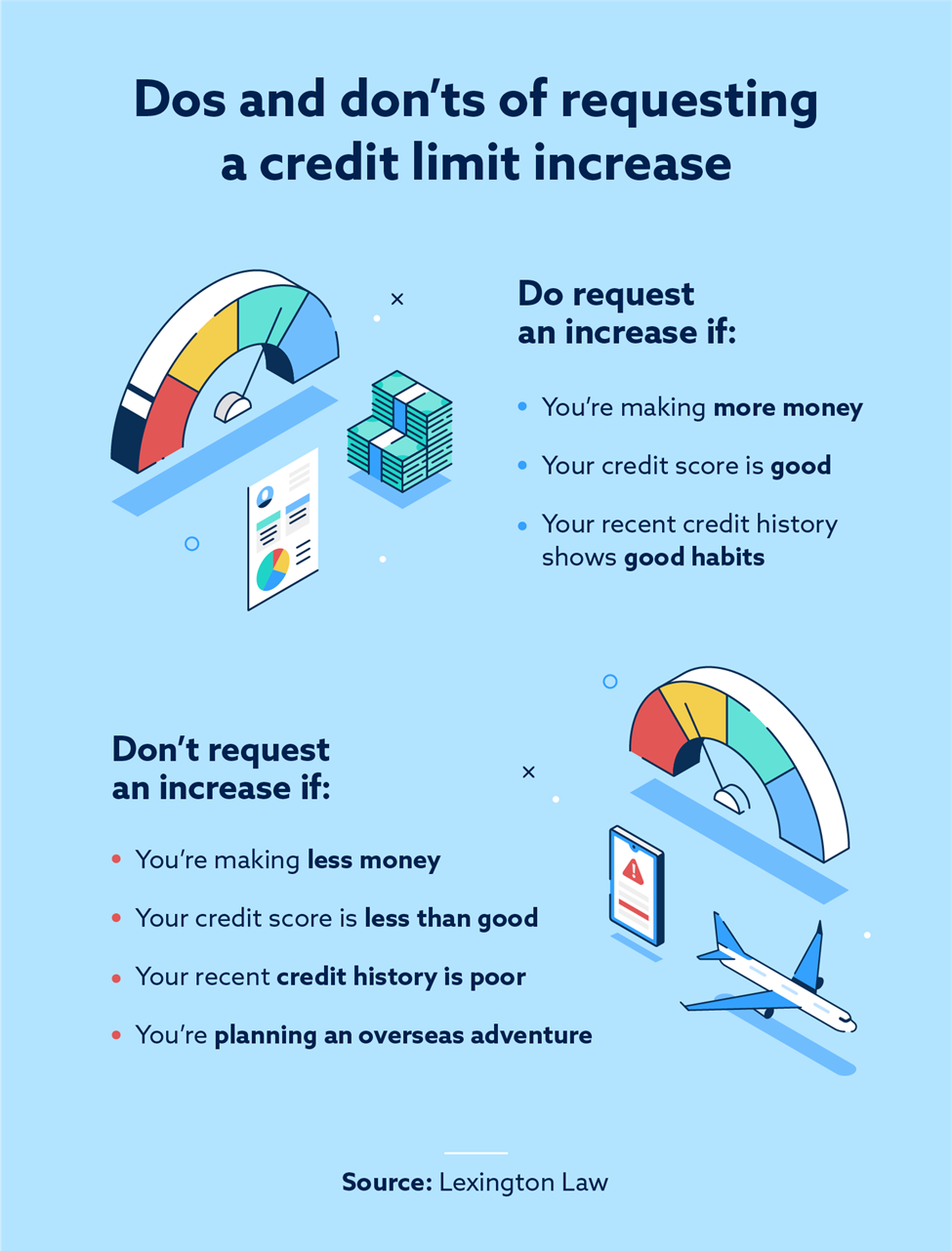
We briefly touched on how a higher credit limit can lower your utilization rate and positively affect your credit, so long as your spending habits stay relatively the same.
You may be eligible for a credit increase if you’ve had your credit account open for at least six months with regular on-time payments and kept your utilization rate below 30 percent. To increase your chances of being approved, you should time your request when:
Unfortunately, a denied request can hurt more than just your ego. Because credit limit increases can trigger a hard credit inquiry, you may see a temporary dip in your credit score, especially if you don’t have an established credit history. Some times to avoid requesting a credit limit increase are when:
If you need a credit limit increase but would like to forgo the hard inquiry, talk to your credit card issuer. Sometimes they’ll offer a smaller increase if you demonstrate good financial habits.
Payment history counts for 35 percent of your FICO credit score, so it’s important to make your payments on time to work your way up to a mortgage.
For peace of mind, consider setting up automatic payments on your credit cards and loans. Instead of remembering to mail the bill or log into your banking app, you can relax and let your bank take care of it. You will avoid late fees and build a history of on-time payments to help your credit.
Even if you’ve paid off all your debts or stopped using a credit card, refrain from closing it. Even an account you don’t use has a credit limit that adds to your overall available credit and your utilization rate. Close it, and you’ll likely see a spike in your overall utilization rate, which could hurt your credit.
Keeping multiple lines of credit open can show lenders that you can juggle a variety of loans and payment schedules at once, which can also help your credit.
Lenders will often run a hard credit inquiry before approving you for a loan or new line of credit to ensure they can trust you to make the payments. While one hard credit inquiry will result in a few points temporarily docked from your score, making too many inquiries at once can seriously affect your financial health.
Opening multiple credit cards or applying for different types of loans in a short amount of time results in multiple hard inquiries on your credit. This could result in more damage to your credit—which could cost you a better mortgage rate.
Multiple credit inquiries may indicate to lenders that your financial situation has changed recently, so they may be more reluctant to offer you a home loan.
If you’re in the early stages of credit building or are in the process of paying off existing debt, don’t bite off more than you can chew in hopes of boosting your score. A variety of loans and credit cards may look good on a credit report, but not if you’re struggling to make timely payments and keep utilization rates low.
Think of all the monthly bills you pay, like your water bill, Netflix subscription and rent. Wouldn’t it be great to have those on-time payments count toward your credit?
Typically, these types of bills have minimal impact on your credit (unless they become delinquent). However, there are credit-building tools available to report your punctual payments to the credit bureaus so they’re reflected in your report. Investing in services like these allows you to get credit for the bills you already pay.
Establishing excellent credit takes time—for some longer than others. The average age of your credit history accounts for 15 percent of your total FICO score, so new credit users may have to wait a year or two to reap the rewards of their good money practices.
For those recovering from a rocky credit history or bankruptcy, it may take even longer for get their score back in the “good” range. Following the steps above for building credit to buy a house will help you avoid any additional setbacks.
FICO credit scores are calculate based on five factors:
Credit bureaus use this data in your credit report to measure your risk as a borrower. You’ll be given an overall score ranging from 300 (bad) to 850 (excellent).
| FICO Credit Score | |
|---|---|
| 720-850 | Excellent |
| 690-719 | Good |
| 630-689 | Fair |
| 300-629 | Bad |
Interest rates are typically determined by your creditworthiness, so you’ll need very good credit to get the lowest interest rates on a home loan. You may be able to get a lower rate with a low credit score if you plan to make a large down payment.
Lenders will also reference your credit to establish loan worthiness. Loan worthiness may be determined by:
Your credit report will contain all this information so a lender can decide whether to trust you with a loan or not.
Technically speaking, you don’t need a particular credit score to buy a house if you pay it all in cash. But most aspiring homeowners will need a credit score of at least 620—considered a “fair” rating—to qualify for a loan. Of course, the minimum credit score you’ll need to secure a loan varies by the type of mortgage. For example, you only need a score of 500 plus a 10 percent down payment to qualify for an FHA loan, but jumbo loans will likely require a minimum credit score of 700.
| Mortgage Type | Minimum Credit Score Required |
|---|---|
| Conventional | 620 |
| FHA | 500 + 10% down payment |
| USDA | 640 |
| VA | No minimum (but lenders prefer at least 620) |
| Jumbo | 700 |
To get a better understanding of how your credit score can impact your home financing options, use a mortgage calculator to see how an increase to your score can make a huge difference to your monthly payments.
You can apply for a mortgage with bad credit, but you may be tied to high interest rates and undesirable terms. If possible, wait until you qualify for one of the loans mentioned above, and follow our guide to building credit.
Buying a home is complicated, and a low credit score can severely impact your financing options. This is why it’s important to work on building and repairing your credit long before it comes time to buy property—and Lexington Law Firm could help. Our credit repair consultants can work with you to address inaccurate items listed on your credit reports so you can focus on building healthy money habits now.
Note: Articles have only been reviewed by the indicated attorney, not written by them. The information provided on this website does not, and is not intended to, act as legal, financial or credit advice; instead, it is for general informational purposes only. Use of, and access to, this website or any of the links or resources contained within the site do not create an attorney-client or fiduciary relationship between the reader, user, or browser and website owner, authors, reviewers, contributors, contributing firms, or their respective agents or employers.